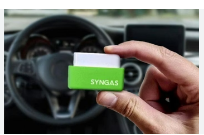
In recent years, German drivers have become increasingly focused on fuel efficiency, vehicle performance, and environmentally conscious driving. Rising fuel prices, stricter emissions regulations, and growing awareness of climate change have encouraged motorists to explore new technologies that promise lower fuel consumption and improved engine performance. Among the products gaining attention in the automotive accessory market is the SynGas OBD Fuel Saver Germany a compact plug-and-play device marketed as an innovative solution for reducing fuel expenses.
👀💙😍("𝐇𝐮𝐫𝐫𝐲 𝐔𝐩 𝐁𝐮𝐲 𝐍𝐨𝐰 𝐋𝐢𝐦𝐢𝐭𝐞𝐝 𝐒𝐮𝐩𝐩𝐥𝐢𝐞𝐬 𝐀𝐯𝐚𝐢𝐥𝐚𝐛𝐥𝐞 𝐍𝐨𝐰")👀💙😍
The SynGas OBD Fuel Saver Germany claims to optimize engine performance through the vehicle’s OBD2 system, potentially lowering fuel consumption while improving throttle response and reducing emissions. Supporters describe it as a smart automotive upgrade capable of helping drivers save money without expensive engine modifications. Critics, however, question whether such devices can genuinely deliver the dramatic results advertised.
This article takes an in-depth look at the SynGas OBD Fuel Saver Germany in Germany, exploring how it works, why it has attracted attention, the benefits it claims to provide, expert opinions, customer reactions, and whether it may actually help drivers improve fuel efficiency.
Understanding the OBD2 System
To understand the SynGas device, it is important first to understand what OBD2 means. OBD stands for “On-Board Diagnostics,” and OBD2 refers to the second generation of vehicle diagnostic systems introduced in modern vehicles.
Most cars manufactured after 1996 are equipped with an OBD2 port, which allows mechanics and diagnostic tools to communicate with the vehicle’s electronic systems. Through this port, technicians can monitor engine performance, detect faults, and retrieve important operating data from the vehicle’s ECU (Engine Control Unit).
The ECU functions as the car’s electronic brain. It manages critical systems such as:
Fuel injection
Air-fuel mixture
Ignition timing
Emissions control
Throttle response
Engine efficiency
The SynGas OBD Fuel Saver Germany is designed to connect directly to this diagnostic port and interact with the vehicle’s data systems.
What Is the SynGas OBD Fuel Saver Germany?
The SynGas OBD Fuel Saver Germany is marketed as a compact electronic module intended to improve fuel economy by optimizing engine performance. The device is typically advertised as suitable for both petrol and diesel vehicles and compatible with most OBD2-equipped cars.
According to promotional materials, the device works by collecting information about driving behavior and engine operation. It then supposedly adjusts ECU parameters to optimize fuel efficiency and engine responsiveness.
The device is promoted as offering several potential advantages:
Reduced fuel consumption
Improved acceleration
Smoother engine operation
Lower carbon emissions
Easy installation
Compatibility with many vehicle brands
One reason the product has gained popularity is its simplicity. Unlike professional ECU tuning, which often requires specialized software and technical expertise, the SynGas device is marketed as a plug-and-play solution requiring no mechanical knowledge.
Drivers simply connect the module to the OBD2 port and begin driving normally while the device “learns” the vehicle’s operating characteristics.
Why Fuel Efficiency Matters in Germany
Germany has one of the largest automotive markets in Europe and is home to globally recognized manufacturers such as BMW, Mercedes-Benz, Audi, Porsche, and Volkswagen. German drivers are often highly knowledgeable about vehicle technology and performance.
At the same time, several factors have increased interest in fuel-saving technologies:
Rising Fuel Prices
Fuel costs in Europe are generally higher than in many other parts of the world due to taxation and energy market conditions. Even small improvements in fuel economy can potentially save drivers significant amounts of money over time.
For commuters who travel long distances daily, fuel expenses represent a major portion of monthly transportation costs.
Environmental Awareness
Germany has emphasized environmental sustainability and emissions reduction for many years. Many drivers are now looking for ways to reduce their environmental impact without immediately switching to electric vehicles.
Products claiming to reduce fuel consumption and emissions naturally attract attention among environmentally conscious motorists.
Long-Distance Driving Culture
Germany’s famous Autobahn network encourages long-distance travel and high-speed driving. Although modern German vehicles are designed for performance, maintaining fuel efficiency during highway travel remains important.
Drivers are often interested in technologies that may help optimize engine operation during long journeys.
👀💙😍("𝐇𝐮𝐫𝐫𝐲 𝐔𝐩 𝐁𝐮𝐲 𝐍𝐨𝐰 𝐋𝐢𝐦𝐢𝐭𝐞𝐝 𝐒𝐮𝐩𝐩𝐥𝐢𝐞𝐬 𝐀𝐯𝐚𝐢𝐥𝐚𝐛𝐥𝐞 𝐍𝐨𝐰")👀💙😍
How SynGas Claims to Work
According to marketing materials, the SynGas OBD Fuel Saver Germany operates by analyzing the vehicle’s engine control patterns and adapting ECU settings to optimize efficiency.
The device allegedly works through several stages:
Data Collection
After installation, the device monitors driving behavior and engine data such as:
Fuel injection patterns
RPM behavior
Throttle input
Air-fuel ratios
Driving speed
Engine load
Adaptive Learning
The device is said to require a learning period during which it gathers sufficient data to understand the driver’s habits and vehicle characteristics.
Manufacturers often recommend driving approximately 150 to 240 kilometers after installation for calibration.
Optimization
Once sufficient data has been collected, the device supposedly modifies engine operating parameters to improve fuel combustion efficiency.
The result, according to product claims, is reduced fuel usage and smoother engine performance.
The Appeal of Plug-and-Play Technology
One reason products like SynGas attract attention is their accessibility.
Traditional performance tuning often involves:
Professional ECU remapping
Expensive diagnostic tools
Specialist workshops
Risk of warranty concerns
Technical complexity
By contrast, SynGas is marketed as a simple consumer device that anyone can install within minutes.
The plug-and-play concept appeals particularly to drivers who:
Want affordable fuel-saving options
Lack technical expertise
Prefer non-permanent modifications
Want to avoid expensive tuning services
This convenience has helped create growing interest in OBD-based automotive accessories throughout Europe.
Claimed Benefits of SynGas OBD Fuel Saver Germany
The manufacturers of SynGas promote several key benefits. While actual user experiences vary, these claims form the basis of the product’s popularity.
Improved Fuel Economy
The primary selling point is fuel savings. Advertisements often suggest that the device can significantly reduce fuel consumption by optimizing engine performance.
Some marketing campaigns even mention savings of up to 35% or more under ideal conditions.
For drivers spending hundreds of euros monthly on fuel, the possibility of reducing costs is highly attractive.
Better Throttle Response
Many users claim the device improves acceleration responsiveness, making the vehicle feel more reactive and smoother during driving.
This may be particularly appealing for drivers of older vehicles where throttle response may feel less refined.
Reduced Emissions
By allegedly improving combustion efficiency, the device is also promoted as reducing harmful emissions.
As Germany continues to strengthen environmental standards, emission reduction remains an important concern for many motorists.
Engine Smoothness
Some users report smoother gear transitions and quieter engine operation after installing the device.
Although these experiences are subjective, smoother driving characteristics can influence customer satisfaction.
Easy Installation
Unlike mechanical modifications, the device does not require tools or professional installation.
Users simply locate the OBD2 port, plug in the module, and begin driving.
Automotive Experts and Skepticism
Despite the product’s popularity, many automotive experts remain skeptical about the effectiveness of generic OBD fuel-saving devices.
Several concerns are commonly raised.
Modern ECUs Are Already Highly Optimized
Vehicle manufacturers spend enormous resources developing efficient engine management systems.
Modern ECUs continuously adapt fuel injection and combustion parameters based on driving conditions, temperature, altitude, and emissions requirements.
Many engineers argue that there is little unused efficiency left for external devices to unlock.
OBD2 Ports Are Primarily Diagnostic
The OBD2 interface is mainly intended for diagnostics and monitoring.
While advanced professional tuning tools can interact with ECUs, many experts doubt that inexpensive plug-in devices can safely and meaningfully modify engine behavior across multiple vehicle brands.
Lack of Independent Scientific Testing
One of the biggest criticisms is the absence of widely recognized independent studies confirming dramatic fuel savings.
Most positive claims originate from marketing materials or anecdotal customer testimonials rather than peer-reviewed testing.
Without controlled scientific evaluation, it remains difficult to verify the product’s effectiveness objectively.
Placebo Effect
Some automotive specialists believe that perceived fuel savings may result from behavioral changes rather than the device itself.
Drivers who install fuel-saving products often become more conscious of their driving habits, leading to:
Gentler acceleration
Reduced speeding
Smoother braking
More efficient driving behavior
These habits alone can improve fuel economy significantly.
Customer Reviews and Online Discussions
Online reactions to the SynGas OBD Fuel Saver Germany are mixed.
Positive Experiences
Some users report:
Slight improvements in fuel consumption
Smoother engine behavior
Better throttle response
Improved driving comfort
Drivers of older vehicles sometimes claim they notice more significant differences.
Negative Reviews
Other users report:
No measurable fuel savings
Unrealistic marketing claims
Minimal performance improvements
Concerns about effectiveness
Automotive forums and Reddit discussions often contain skeptical opinions from mechanics and experienced enthusiasts who compare such devices to earlier “fuel saver chips” criticized for lacking scientific credibility.
👀💙😍("𝐇𝐮𝐫𝐫𝐲 𝐔𝐩 𝐁𝐮𝐲 𝐍𝐨𝐰 𝐋𝐢𝐦𝐢𝐭𝐞𝐝 𝐒𝐮𝐩𝐩𝐥𝐢𝐞𝐬 𝐀𝐯𝐚𝐢𝐥𝐚𝐛𝐥𝐞 𝐍𝐨𝐰")👀💙😍
Can OBD Devices Actually Improve Fuel Efficiency?
The broader question extends beyond SynGas itself: can OBD-based devices genuinely improve fuel economy?
The answer is complicated.
In Some Cases, Minor Improvements Are Possible
Certain driving conditions or older vehicle systems may allow modest optimization through ECU adaptation.
Professional ECU tuning performed by qualified specialists can sometimes improve efficiency under controlled conditions.
Dramatic Savings Are Unlikely
However, claims of extremely large fuel reductions should generally be approached with caution.
Modern engines are already engineered for efficiency, emissions compliance, reliability, and performance balance.
Any universal plug-in device claiming massive fuel savings across all vehicles deserves careful scrutiny.
Alternatives to Fuel Saver Devices
Drivers seeking better fuel economy may achieve more reliable results through proven methods.
Proper Vehicle Maintenance
Regular maintenance remains one of the most effective ways to improve efficiency.
Important maintenance tasks include:
Oil changes
Air filter replacement
Spark plug maintenance
Tire pressure checks
Wheel alignment
Poor maintenance can significantly increase fuel consumption.
Efficient Driving Habits
Driving style has a major impact on fuel economy.
Drivers can reduce fuel usage by:
Avoiding sudden acceleration
Maintaining steady speeds
Reducing unnecessary idling
Using cruise control on highways
Avoiding excessive speeding
Weight Reduction
Carrying unnecessary weight increases fuel consumption.
Removing unused cargo from the vehicle can slightly improve efficiency.
Route Planning
Efficient route planning helps avoid traffic congestion and unnecessary driving time.
Navigation apps can assist drivers in finding fuel-efficient routes.
The Psychology Behind Fuel-Saving Products
Products like SynGas also benefit from psychological factors.
Drivers naturally want:
Lower fuel expenses
Better vehicle performance
Affordable upgrades
Environmentally friendly solutions
A small plug-in device promising all these benefits creates strong consumer appeal.
Marketing often emphasizes simplicity and convenience, making such products attractive even when scientific evidence remains uncertain.
The Future of Fuel-Saving Technologies
As automotive technology evolves, fuel-saving innovation continues to advance.
Future developments may include:
AI-assisted engine optimization
Smarter ECU adaptation systems
Hybrid integration
Improved combustion technologies
Advanced energy management software
However, the automotive industry is also rapidly transitioning toward electric mobility.
As electric vehicles become more common, traditional fuel-saving gadgets may eventually lose relevance.
Should German Drivers Buy SynGas?
Whether the SynGas OBD Fuel Saver Germany is worth purchasing depends largely on expectations.
Drivers expecting dramatic reductions in fuel costs may be disappointed due to the lack of strong independent evidence supporting such claims.
However, some users may still appreciate:
Easy installation
Perceived throttle improvements
Experimentation with automotive technology
Potential minor efficiency gains
Consumers should research carefully, read independent reviews, and maintain realistic expectations before purchasing.
👀💙😍("𝐇𝐮𝐫𝐫𝐲 𝐔𝐩 𝐁𝐮𝐲 𝐍𝐨𝐰 𝐋𝐢𝐦𝐢𝐭𝐞𝐝 𝐒𝐮𝐩𝐩𝐥𝐢𝐞𝐬 𝐀𝐯𝐚𝐢𝐥𝐚𝐛𝐥𝐞 𝐍𝐨𝐰")👀💙😍
Final Verdict
The SynGas OBD Fuel Saver Germany has attracted considerable attention in Germany because it promises something nearly every driver wants: lower fuel costs and better vehicle efficiency.
Its plug-and-play simplicity, compatibility with many vehicles, and marketing around fuel savings make it appealing to motorists looking for affordable automotive upgrades. Some users report positive experiences such as smoother acceleration and modest improvements in fuel economy.
At the same time, significant skepticism remains within the automotive community. Experts question whether a low-cost universal OBD device can truly outperform the sophisticated ECU optimization already developed by modern vehicle manufacturers. Independent scientific testing supporting dramatic fuel savings remains limited.
OFFICIAL FACEBOOKS@
https://www.facebook.com/SynGasOBDFuelSaverGermanyDE/
https://www.facebook.com/groups/getsyngasobdfuelsavergermany/
https://www.facebook.com/SynGasOBDFuelSaver.Get/
https://www.facebook.com/groups/trysyngasobdfuelsaver/
https://www.facebook.com/groups/syngasobdfuelsaverdevice/