Introduction
Fuel prices in Australia have remained a major concern for drivers over the past decade, pushing many vehicle owners to search for ways to cut down on petrol and diesel expenses. While hybrid and electric vehicles offer long-term solutions, they are not always affordable or practical for everyone. As a result, aftermarket fuel-saving devices have gained popularity—especially those that promise quick results with minimal effort.
➥✅ Click Here To Order Don't Miss Out Today's Special Offer
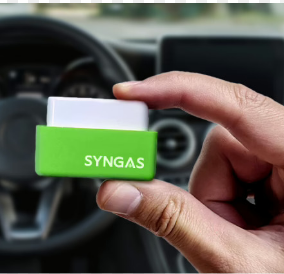
One such product is the SynGas OBD Fuel Saver Australia, a compact plug-in device that claims to optimize vehicle performance and reduce fuel consumption. Marketed as an intelligent tool that connects directly to a car’s onboard computer, it has attracted attention across Australia through online ads and promotional reviews.
However, the big question remains: Does it actually work, or is it just another overhyped gadget? This article takes a deep dive into the SynGas OBD Fuel Saver Australia, exploring how it works, what it promises, what experts say, and whether it’s worth your money.
What Is SynGas OBD Fuel Saver Australia?
The SynGas OBD Fuel Saver Australia is a small electronic device designed to be plugged into a vehicle’s OBD2 (On-Board Diagnostics) port. This port is a standard feature in most cars manufactured after the mid-1990s and is typically located beneath the dashboard near the driver’s seat.
The purpose of the OBD2 system is to monitor vehicle performance and provide diagnostic information. Mechanics use it to identify faults, read error codes, and analyze engine data.
The SynGas device claims to go a step further. According to its marketing, it not only reads data but also interacts with the vehicle’s ECU (Engine Control Unit)—the central computer that controls engine operations such as:
Fuel injection
Air-fuel mixture
Ignition timing
Emissions control
By adjusting these parameters, the device supposedly improves efficiency and reduces fuel consumption.
➥✅ Click Here To Order Don't Miss Out Today's Special Offer
How the Device Claims to Work
The manufacturers of SynGas promote it as an “AI-driven” or “smart” optimization tool. Once plugged in, the device reportedly begins a learning phase where it collects data about the driver’s habits and the vehicle’s performance.
Step-by-Step Process
Installation
The user plugs the device into the OBD2 port. No tools or technical knowledge are required.
Calibration Phase
The device “learns” the vehicle’s behavior over a period of driving—often claimed to be around 150 miles (approximately 240 km).
Optimization
After calibration, the device allegedly adjusts engine parameters in real time to improve fuel efficiency.
Continuous Monitoring
It continues to monitor driving patterns and refine its adjustments over time.
Key Claims Made by SynGas
The product is marketed with several bold claims, including:
Fuel savings of up to 15–35%
Improved engine performance
Better throttle response
Reduced carbon emissions
Extended engine lifespan
These promises make it particularly attractive to Australian drivers dealing with fluctuating fuel costs and long commuting distances.
Understanding the Technology: Can It Really Work?
To evaluate whether the SynGas OBD Fuel Saver Australia is effective, it’s important to understand how modern vehicles operate.
The Role of the ECU
The Engine Control Unit (ECU) is a highly sophisticated computer system. Automakers spend years fine-tuning it to balance performance, fuel efficiency, emissions, and engine safety.
Modern ECUs are designed with:
Encrypted communication protocols
Limited external access
Strict safety parameters
This means that making meaningful changes to engine behavior usually requires specialized tools and professional tuning software—not a simple plug-in device.
Expert Analysis and Skepticism
Automotive experts and engineers have raised several concerns about devices like SynGas.
1. Limited Access to Engine Controls
Most OBD2 ports are designed for reading data, not rewriting critical ECU settings. While some advanced tools can modify parameters, they require authentication and detailed programming.
A low-cost consumer device is unlikely to have this level of access.
2. Hardware Simplicity
Independent teardowns of similar fuel-saving gadgets often reveal very basic electronics inside—sometimes just:
A small circuit board
An LED indicator
Minimal processing capability
This raises doubts about their ability to perform complex optimization tasks.
3. Lack of Independent Testing
There is currently no widely recognized, peer-reviewed research confirming that devices like SynGas significantly improve fuel efficiency.
Most positive claims come from:
Manufacturer websites
Affiliate marketing pages
Sponsored reviews
This makes it difficult to separate genuine results from marketing exaggeration.
4. Vehicle Safety Considerations
Even if a device could modify ECU settings, improper adjustments could:
Reduce engine performance
Increase emissions
Cause long-term engine wear
Automakers carefully calibrate ECUs to avoid these risks, which further limits the likelihood that a generic device can safely outperform factory settings.
➥✅ Click Here To Order Don't Miss Out Today's Special Offer
Why Some Users Report Positive Results
Despite skepticism, some users claim that they notice improvements after installing the device. There are several possible explanations for this.
Behavioral Changes
After installing a fuel-saving device, drivers often become more conscious of their driving habits. They may:
Accelerate more gently
Maintain steady speeds
Avoid unnecessary idling
These changes alone can significantly improve fuel efficiency.
Placebo Effect
When people expect a product to work, they may perceive improvements even if none exist. This psychological effect is well documented across many industries.
Short-Term Monitoring
During the initial “learning phase,” drivers tend to pay closer attention to fuel consumption, which can lead to temporary improvements unrelated to the device.
SynGas in the Australian Market
Australia presents a unique environment for fuel-saving products due to:
Long driving distances
High reliance on personal vehicles
Fluctuating fuel prices
Limited public transport in rural areas
Because of these factors, products like SynGas are heavily marketed to Australian consumers as cost-saving solutions.
However, the same technical limitations apply regardless of location. The effectiveness of such devices does not change based on geography.
Pros and Cons of SynGas OBD Fuel Saver Australia
Pros
Simple plug-and-play installation
No maintenance required
Compatible with most modern vehicles
Relatively low upfront cost
Cons
No strong scientific evidence supporting its claims
Limited ability to modify ECU settings
Results are inconsistent or negligible
Potentially misleading marketing
May not justify even its modest cost
Proven Alternatives to Save Fuel
Instead of relying on unverified gadgets, there are several proven methods to improve fuel efficiency.
1. Improve Driving Habits
Driving style has the biggest impact on fuel consumption. Smooth acceleration and consistent speeds can improve efficiency by up to 30–40%.
2. Maintain Proper Tire Pressure
Under-inflated tires increase rolling resistance, reducing fuel efficiency. Keeping tires properly inflated can improve mileage by around 3%.
3. Regular Vehicle Maintenance
Routine servicing ensures optimal engine performance. This includes:
Changing air filters
Replacing spark plugs
Using recommended engine oil
4. Reduce Vehicle Weight
Carrying unnecessary weight forces the engine to work harder, increasing fuel consumption.
5. Plan Efficient Routes
Avoiding traffic congestion and unnecessary detours can significantly reduce fuel usage.
Comparing SynGas to Professional ECU Tuning
Some people compare SynGas to professional ECU tuning, but the two are fundamentally different.
Professional ECU Tuning
Performed by specialists
Uses advanced software
Custom-tailored to the vehicle
Can improve performance and efficiency
SynGas Device
Generic, one-size-fits-all solution
Limited capabilities
No customization
Unverified results
Professional tuning is far more reliable but also significantly more expensive.
Is SynGas Worth Buying?
The answer depends on expectations.
If you are looking for:
A guaranteed reduction in fuel costs
Significant performance improvements
Then SynGas is unlikely to meet those expectations.
However, if you:
Are curious about trying new gadgets
Understand the risks and limitations
Don’t mind spending a small amount
Then it may be worth experimenting—but without high expectations.
Final Verdict
The SynGas OBD Fuel Saver Australia is marketed as a revolutionary tool for reducing fuel consumption and improving engine performance. While the idea is appealing, the reality is less convincing.
Modern vehicles are already highly optimized by manufacturers, and the ability of a simple plug-in device to outperform factory settings is highly questionable. The lack of independent testing and scientific validation further weakens its credibility.
For Australian drivers, the most effective way to save fuel remains:
Smarter driving habits
Regular maintenance
Practical efficiency strategies
These methods are proven, reliable, and cost-effective—unlike many aftermarket fuel-saving gadgets.
➥✅ Click Here To Order Don't Miss Out Today's Special Offer
Conclusion
The search for better fuel efficiency is understandable, especially in a country like Australia where driving is often essential. Products like the SynGas OBD Fuel Saver Australia tap into this need by offering a convenient, low-effort solution.
However, convenience does not always equal effectiveness. While the device may not necessarily harm your vehicle, its ability to deliver meaningful fuel savings remains unproven.
OFFICIAL FACEBOOKS@
https://www.facebook.com/SynGasOBDFuelSaverAustralia/
https://www.facebook.com/groups/syngasobdfuelsaverau/
https://www.facebook.com/SynGasOBDFuelSaverGermanyDE/
https://www.facebook.com/groups/getsyngasobdfuelsavergermany/