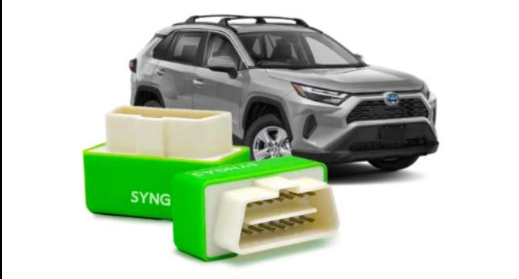
The SynGas OBD Fuel Saver Australia promoted as a simple plug-in device that claims to optimize engine performance, improve fuel economy, reduce emissions, and enhance overall driving efficiency. According to advertisements and online promotions, users only need to plug the device into the vehicle’s OBD2 port and allow the system to calibrate over several days. After that, the company claims drivers may experience noticeable savings on fuel consumption.
➥✅ Click Here To Order Don't Miss Out Today's Special Offer
For many Australians struggling with high transportation costs, these claims sound extremely appealing. However, the product has also generated significant skepticism among mechanics, automotive experts, and online communities who question whether a small OBD2 device can truly deliver the dramatic fuel savings being advertised.
This article explores what the SynGas OBD Fuel Saver Australia is, how it supposedly works, the science behind fuel-saving devices, customer reviews, expert opinions, possible risks, and whether Australians should seriously consider purchasing it.
Understanding the SynGas OBD Fuel Saver Australia
The SynGas OBD Fuel Saver Australia is marketed as an advanced automotive optimization device designed for modern vehicles equipped with OBD2 systems. OBD2, which stands for On-Board Diagnostics II, is a standardized computer system found in most vehicles manufactured after the early 2000s.
The device is plugged directly into the OBD2 port, usually located beneath the dashboard near the steering column. Once connected, SynGas OBD Fuel Saver Australiaclaims it begins communicating with the vehicle’s engine control unit (ECU), analyzing driving patterns and optimizing fuel delivery for improved efficiency.
The company advertises several key benefits, including:
Reduced fuel consumption
Better throttle response
Improved acceleration
Lower carbon emissions
Smoother engine performance
Enhanced driving efficiency
The installation process is promoted as extremely easy and suitable for drivers with no technical experience. According to the manufacturer, the process simply involves:
Locating the OBD2 port
Plugging in the SynGas OBD Fuel Saver Australia device
Driving normally while the system calibrates over several days
This simplicity is one of the product’s biggest selling points. Unlike professional ECU tuning, which often requires specialized equipment and automotive expertise, SynGas OBD Fuel Saver Australia presents itself as a convenient “plug-and-play” solution.
Why Fuel-Saving Devices Are Becoming Popular in Australia
Australia’s large distances, suburban commuting culture, and reliance on personal vehicles make fuel expenses a major concern for millions of people. In many cities and regional areas, driving is not optional—it is essential for work, school, shopping, and daily life.
Recent fluctuations in global oil prices, inflation, and transportation costs have pushed petrol prices to levels that many households find difficult to manage. In some Australian cities, fuel prices have exceeded AUD $2.20 per litre during peak periods, significantly increasing monthly expenses for regular drivers.
As a result, Australians are becoming more interested in:
Hybrid vehicles
Electric cars
Fuel-efficient driving techniques
Vehicle maintenance improvements
Aftermarket fuel-saving devices
The appeal of products like SynGas OBD Fuel Saver Australialies in the promise of saving money without replacing the vehicle or making expensive modifications. Many consumers are attracted to the idea that a small one-time purchase could lead to long-term savings at the petrol station.
For rideshare drivers, delivery workers, tradespeople, and long-distance commuters, even small improvements in fuel efficiency could potentially save hundreds of dollars each year. This financial motivation explains why fuel-saving gadgets continue to attract attention online.
➥✅ Click Here To Order Don't Miss Out Today's Special Offer
How SynGas OBD Fuel Saver Australia Claims to Work
According to marketing materials, the SynGas OBD Fuel Saver Australia Fuel Saver works by optimizing communication between the ECU and various engine systems. The company claims the device collects data related to driving habits, fuel usage, and engine performance before adjusting operating parameters for greater efficiency.
The manufacturer describes several core functions:
Adaptive Learning Technology
SynGas OBD Fuel Saver Australia reportedly learns the driver’s behavior over time. During the calibration phase, the system allegedly studies acceleration patterns, braking habits, and engine load conditions.
Fuel Optimization
The device claims to improve the air-fuel mixture ratio used during combustion. Better combustion efficiency theoretically results in less wasted fuel.
Improved Engine Response
Advertisements suggest drivers may notice smoother acceleration and better throttle sensitivity after installation.
Reduced Emissions
The company also states that improved fuel combustion can lower harmful emissions and reduce environmental impact.
ECU Communication
Marketing materials imply the device communicates directly with the vehicle’s onboard computer system to enhance fuel management strategies.
To many consumers unfamiliar with automotive technology, these explanations sound scientifically plausible. However, this is precisely where much of the controversy begins.
The Science Behind OBD2 Fuel Saver Devices
To understand why many experts are skeptical, it is important to understand how modern vehicle ECUs actually work.
Modern vehicles already contain highly advanced computer systems developed by automotive engineers. Manufacturers spend billions of dollars researching fuel economy, emissions compliance, engine safety, and performance optimization. The ECU constantly adjusts fuel injection, ignition timing, and engine operation based on real-time sensor data.
Most automotive experts argue that manufacturers already tune vehicles near optimal efficiency while balancing reliability, emissions laws, and engine longevity.
This raises an important question:
Can a small universal plug-in device truly improve fuel efficiency by 30% to 55% across many different vehicle brands and engine types?
Many mechanics say this is extremely unlikely.
In online automotive forums, OBD2 fuel-saving devices are frequently criticized as gimmicks. Some users claim many similar products contain little more than basic circuitry and LED lights with minimal actual ECU functionality.
Critics also point out that genuine ECU tuning usually requires:
Professional software
Vehicle-specific programming
Dyno testing
Technical expertise
Custom calibrations
Professional ECU remapping can sometimes improve fuel efficiency slightly, but dramatic savings are uncommon without sacrificing engine performance or drivability.
Because of this, many experts remain doubtful about universal “plug-and-play” fuel saver devices.
Examining the Fuel Savings Claims
One of the most controversial aspects of SynGas OBD Fuel Saver Australia is the claim that drivers may save up to 55% on fuel costs.
In the automotive industry, such numbers are considered extraordinarily high.
Even major automotive advancements—such as hybrid systems, lightweight vehicle design, and aerodynamic improvements—often achieve incremental efficiency gains rather than dramatic overnight reductions.
If a low-cost universal device could consistently reduce fuel consumption by half, it would represent one of the most significant breakthroughs in automotive engineering history.
This is one reason many analysts urge caution when evaluating the product’s marketing claims.
It is important to understand the phrase “up to” in advertising. While technically possible under highly specific conditions, “up to” does not guarantee average real-world results for most drivers.
Fuel economy also depends heavily on factors including:
Driving habits
Traffic conditions
Vehicle weight
Tire pressure
Engine condition
Fuel quality
Weather conditions
Road terrain
As a result, measuring true fuel savings accurately can be difficult for average consumers.
Customer Reviews and User Experiences
Online reviews for SynGas OBD Fuel Saver Australia are highly mixed, with both enthusiastic testimonials and strong criticism appearing across websites and discussion forums.
Positive Reviews
Supporters of the product often claim they experienced:
Reduced petrol station visits
Smoother acceleration
Better engine responsiveness
Improved driving comfort
Slightly better fuel economy
Some users report feeling that the vehicle runs more smoothly after installation. Others believe the device helped improve long-distance fuel efficiency during highway driving.
Positive reviews often emphasize the simplicity of installation and the possibility of testing the product without mechanical knowledge.
Negative Reviews
On the other hand, many automotive enthusiasts remain unconvinced.
Several critics argue there is little independent evidence proving the device performs as advertised. Some reviewers report noticing no measurable improvement at all after weeks of use.
Others compare SynGas OBD Fuel Saver Australia to older fuel-saving gadgets that have circulated online for years under different names and branding.
Skeptics frequently mention the placebo effect. Once drivers install a fuel-saving device, they may subconsciously drive more carefully, accelerate more smoothly, and monitor fuel usage more closely. These behavior changes alone can improve fuel economy, making it difficult to determine whether the device itself caused the savings.
➥✅ Click Here To Order Don't Miss Out Today's Special Offer
Potential Risks and Concerns
Although devices like SynGas OBD Fuel Saver Australia are generally marketed as safe, there are still several concerns consumers should consider before purchasing.
Compatibility Problems
Not all vehicles communicate identically through OBD2 systems. Some devices may not function correctly with certain manufacturers or engine types.
Warning Lights and Errors
In some cases, aftermarket electronic devices may interfere with onboard diagnostics or trigger warning lights.
Warranty Considerations
Vehicle manufacturers sometimes discourage unauthorized electronic modifications, particularly during warranty periods.
Unrealistic Expectations
Consumers expecting dramatic reductions in fuel costs may become disappointed if the device only delivers minimal or no noticeable improvements.
Limited Independent Testing
One of the biggest concerns is the lack of large-scale independent scientific studies verifying the company’s fuel-saving claims.
Without verified third-party testing, buyers must largely rely on marketing materials and anecdotal reviews.
Better Proven Ways to Save Fuel
While devices like SynGas OBD Fuel Saver Australia continue to generate attention, automotive experts consistently recommend several proven methods for improving fuel economy.
Maintain Proper Tire Pressure
Underinflated tires increase rolling resistance and force the engine to work harder.
Drive Smoothly
Aggressive acceleration and sudden braking consume significantly more fuel.
Reduce Excess Weight
Removing unnecessary cargo reduces engine load and improves efficiency.
Regular Maintenance
Replacing spark plugs, air filters, and engine oil on schedule helps engines run efficiently.
Avoid Excessive Idling
Long periods of idling waste fuel unnecessarily.
Use Cruise Control on Highways
Steady highway speeds typically improve fuel efficiency.
Plan Routes Efficiently
Avoiding traffic congestion can significantly reduce fuel consumption.
These methods are supported by extensive automotive research and consistently produce measurable improvements.
Should Australians Buy the SynGas OBD Fuel Saver Australia?
Whether SynGas OBD Fuel Saver Australia is worth purchasing depends largely on consumer expectations.
Drivers looking for a low-cost experiment may still find the product interesting, especially if the company offers a refund policy. Some users may genuinely feel they notice smoother performance or slight fuel economy improvements.
However, Australians should remain cautious about dramatic marketing claims. There is currently limited independent scientific evidence proving that generic OBD2 fuel-saving devices can consistently achieve the large savings percentages often advertised online.
Consumers should carefully research:
Independent customer reviews
Return policies
Warranty terms
Vehicle compatibility
Realistic expectations
It is also important to compare the product cost against proven fuel-saving methods that may provide more reliable long-term benefits.
The Growing Market for Automotive Gadgets
The popularity of SynGas OBD Fuel Saver Australia also reflects a larger trend within the automotive aftermarket industry.
Modern drivers increasingly seek affordable technologies that promise:
Lower operating costs
Better efficiency
Enhanced convenience
Environmental benefits
From fuel additives to ECU tuners and hybrid conversion kits, the market for automotive efficiency products continues to expand rapidly.
Social media advertising has also made it easier for niche automotive products to gain visibility. Many consumers discover devices like SynGas OBD Fuel Saver Australiathrough online ads, influencer promotions, and sponsored reviews.
This digital marketing environment can sometimes blur the line between legitimate innovation and exaggerated promotional claims.
As consumers become more interested in vehicle technology, critical thinking and independent research become increasingly important.
➥✅ Click Here To Order Don't Miss Out Today's Special Offer
Final Verdict
The SynGas OBD Fuel Saver Australia has attracted significant attention in Australia because it promises a simple solution to one of the country’s biggest driving concerns—high fuel costs.
The idea is certainly appealing: plug a small device into your car, allow it to optimize engine performance, and start saving money on petrol. For drivers facing rising transportation expenses, the concept sounds almost too good to ignore.
However, skepticism from mechanics, automotive experts, and independent reviewers remains strong. Many experts argue that modern vehicles are already engineered for high efficiency and that dramatic fuel savings from universal OBD2 gadgets are scientifically questionable.
OFFICIAL FACEBOOKS@
https://www.facebook.com/SynGasOBDFuelSaverUnitedKingdom/
https://www.facebook.com/groups/syngasobdfuelsaverunitedkingdom/
https://www.facebook.com/SynGasOBDFuelSaver.Get/
https://www.facebook.com/groups/trysyngasobdfuelsaver/
https://www.facebook.com/groups/syngasobdfuelsaverdevice/
https://www.facebook.com/groups/syngasobdfuelsaverau/
https://www.facebook.com/SynGasOBDFuelSaverGermanyDE/
https://www.facebook.com/groups/getsyngasobdfuelsavergermany/
https://www.facebook.com/SynGasOBDFuelSaverCA/
https://www.facebook.com/groups/trysyngasobdfuelsavercanada/