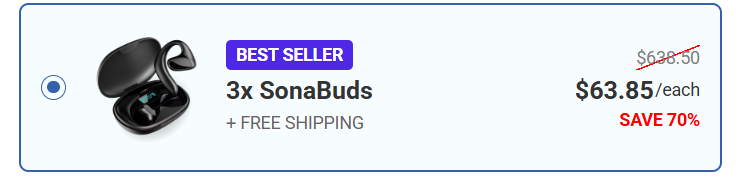
💥MUST SEE: (EXCLUSIVE OFFER) CLICK HERE TO VIEW PRICING & AVAILABILITY💯
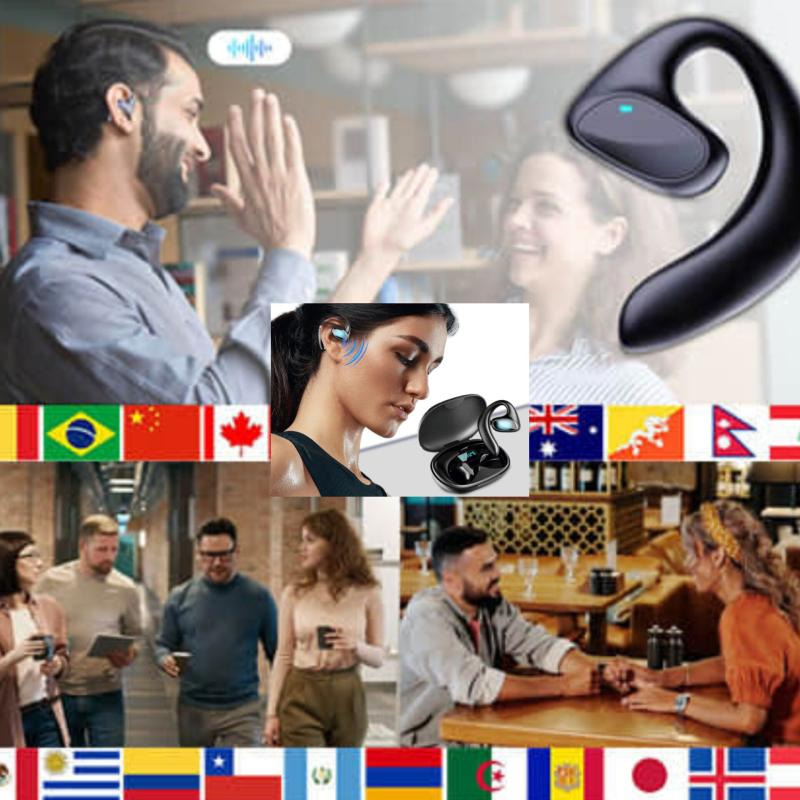
SonaBuds Translating Earbuds become more integrated into daily life, their influence extends beyond technology into the psychology of communication itself. Language is deeply tied to identity, emotion, and trust, and introducing real-time translation into conversations subtly reshapes all three.
Many people hesitate to speak in a foreign language due to fear of mistakes or embarrassment. SonaBuds reduce that barrier significantly. Users can express themselves freely in their native language while still being understood, which boosts confidence and encourages more open interaction.
Changing First Impressions
Traditionally, speaking someone’s language has been seen as a sign of respect and effort. With translation earbuds, this dynamic shifts. While communication becomes easier, the perceived effort may diminish, potentially changing how people interpret politeness and cultural engagement.
Emotional Nuance and Connection
Even with advanced AI, emotional subtleties can be softened or altered in translation. Tone, humor, and cultural expressions may not always carry over perfectly, which can influence how messages are received emotionally.
Education and Language Learning in the Age of AI
Rather than replacing language learning, SonaBuds Translating Earbuds may transform how it happens.
Real-Time Learning Companion
Students can use SonaBuds during conversations to instantly understand unfamiliar words or phrases, turning every interaction into a learning opportunity.
💥MUST SEE: (EXCLUSIVE OFFER) CLICK HERE TO VIEW PRICING & AVAILABILITY💯
Immersive Language Environments
By enabling real-time comprehension, learners can immerse themselves in foreign-language environments without feeling lost, accelerating fluency over time.
Hybrid Learning Models
Educational institutions may integrate translating earbuds into classrooms, combining traditional teaching with AI-assisted communication tools.
Business Strategy and Global Expansion
For organizations, SonaBuds Translating Earbuds are not just a convenience—they can become a strategic asset.
Faster Market Entry
Companies expanding into new countries can communicate with local partners and customers immediately, without waiting to build multilingual teams.
Reduced Operational Costs
While not a full replacement for professional interpreters, SonaBuds can reduce the need for them in routine interactions, lowering costs.
Enhanced Customer Experience
Businesses can provide personalized service to international clients, improving satisfaction and loyalty.
Cultural Preservation vs Technological Convenience
A key debate surrounding devices like SonaBuds Translating Earbuds is whether they help preserve or erode linguistic diversity.
💥MUST SEE: (EXCLUSIVE OFFER) CLICK HERE TO VIEW PRICING & AVAILABILITY💯
Risk of Linguistic Homogenization
If everyone relies on translation technology, dominant languages may become even more central, potentially reducing the incentive to maintain smaller or endangered languages.
Opportunity for Preservation
SonaBuds Translating Earbuds On the other hand, advanced AI models can include rare and regional languages, giving them digital representation and helping keep them alive in global conversations.
Legal and Regulatory Landscape
As translating earbuds handle real-time communication, they intersect with legal systems in new ways.
Admissibility in Legal Contexts
In legal settings, machine translation may not yet meet the standards required for official interpretation, especially where precision is critical.
Compliance with Data Laws
Different countries have strict regulations regarding data storage and transmission. SonaBuds must comply with frameworks such as data protection and privacy laws across multiple jurisdictions.
Intellectual Property Concerns
Live translation of proprietary discussions or sensitive business information raises questions about data ownership and protection.
User Stories: Everyday Scenarios
To understand the real value of SonaBuds Translating Earbuds, consider how they function in everyday life:
- A traveler in a remote village confidently asks for directions and learns about local culture
- A startup founder negotiates with international partners without needing a translator
- A student attends an online lecture in a foreign language and follows along effortlessly
- A family connects with relatives abroad despite speaking different languages
These scenarios highlight how the technology moves from novelty to necessity.
💥MUST SEE: (EXCLUSIVE OFFER) CLICK HERE TO VIEW PRICING & AVAILABILITY💯
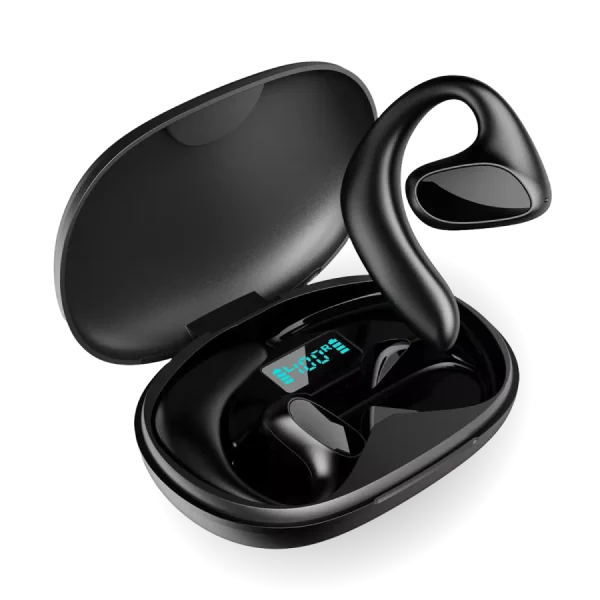
Hardware Evolution: What Comes Next
The physical design of SonaBuds will likely continue to evolve alongside their software.
Smaller, Smarter Components
Advances in microelectronics will make earbuds even smaller while increasing processing power.
Extended Battery Life
SonaBuds Translating Earbuds New battery technologies and energy-efficient chips could allow all-day translation without recharging.
Biometric Integration
Future versions may include sensors to monitor health metrics, combining translation with wellness tracking.
The Role of Big Tech and Startups
The development of translating earbuds involves both large technology companies and innovative startups.
- Big Tech bring resources, infrastructure, and large-scale AI models
- Startups often drive innovation with niche features and creative approaches
This combination fosters rapid progress and diverse product offerings.
Ethical AI Development
As reliance on AI translation grows, ethical considerations become increasingly important.
Bias in Language Models
SonaBuds Translating Earbuds AI systems may reflect biases present in training data, leading to skewed or inappropriate translations.
💥MUST SEE: (EXCLUSIVE OFFER) CLICK HERE TO VIEW PRICING & AVAILABILITY💯

Transparency
Users should understand how their data is processed and how translation decisions are made.
Accountability
Clear responsibility must be established for errors, especially in critical situations like healthcare or legal communication.
Long-Term Vision: Beyond Language
Ultimately, SonaBuds Translating Earbuds are part of a broader movement toward frictionless communication.
From Translation to Understanding
Future systems may not just translate words but interpret intent, cultural meaning, and emotional context.
Global Collaboration Without Barriers
Teams from different parts of the world could collaborate as if they shared the same native language, accelerating innovation and problem-solving.
A More Connected Humanity
By removing one of the oldest barriers—language—technology like SonaBuds has the potential to bring people closer together on a global scale.
Final Reflection
SonaBuds Translating Earbuds are not just a technological milestone—they are a cultural turning point. They challenge long-standing assumptions about language, communication, and connection. While they introduce new questions and complexities, their core promise remains powerful: enabling people to understand each other, instantly and effortlessly.
💥MUST SEE: (EXCLUSIVE OFFER) CLICK HERE TO VIEW PRICING & AVAILABILITY💯

As adoption grows and technology matures, SonaBuds Translating Earbuds may become as commonplace as smartphones—quietly transforming conversations, relationships, and the way we experience the world.