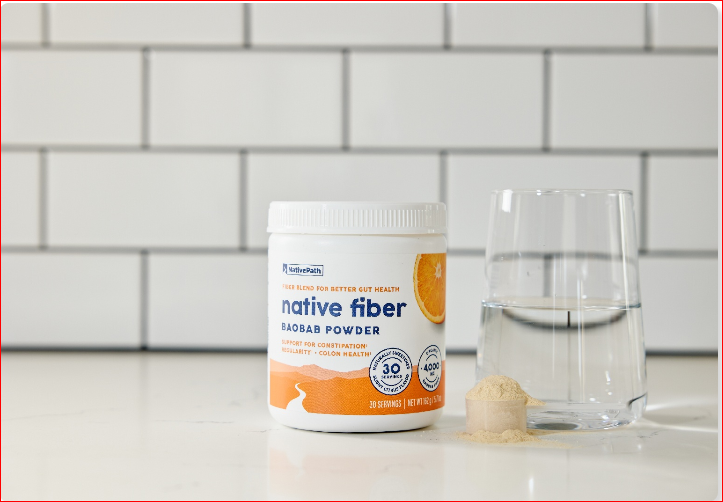
NativePath Native Fiber: Before and After Digestive Support, Wellness Benefits & Honest Review
Contact
✔For Order Official Website —NativePathNativeFiber
✔Product Name —NativePath Native Fiber
✔Side Effect — No Side Effects
✔Availability — Online

NativePath Native Fiber Review: Creating Better Daily Wellness Habits One Step at a Time
Healthy living is often described as a collection of small choices repeated consistently over time. While nutrition trends change regularly, some fundamentals remain important year after year. One of those fundamentals is dietary fiber.
Many people pay attention to protein, vitamins, hydration, and exercise while unintentionally overlooking fiber intake. Yet fiber continues to be discussed as an important part of balanced eating and digestive wellness.
As interest in practical health routines grows, products such as NativePath Native Fiber have become part of conversations around creating simple, sustainable daily habits.
This article explores fiber, digestive wellness, and how people approach building routines that fit real life.
►► DON’T MISS: (SPECIAL DISCOUNT) CLICK HERE TO GET YOUR BOTTLE TODAY ◄◄
►► DON’T MISS: (SPECIAL DISCOUNT) CLICK HERE TO GET YOUR BOTTLE TODAY ◄◄
The Shift Toward Everyday Wellness
Over the years, health goals have become less focused on extreme changes and more focused on consistency.
Instead of dramatic short-term programs, many people now prioritize:
- Sustainable habits
- Better nutrition awareness
- Simple daily systems
- Balanced lifestyles
- Long-term routine building
This approach often leads people to evaluate overlooked areas of their daily habits—including fiber.
What Is NativePath Native Fiber?
NativePath Native Fiber is a dietary fiber supplement designed for individuals who want additional support in maintaining daily fiber habits.
Products in this category are commonly explored by people who value convenience and consistency in their routines.
Many individuals consider fiber support because they want to:
- Improve everyday nutrition awareness
- Support digestive-focused habits
- Create more consistent routines
- Simplify wellness planning
- Complement healthy lifestyle goals
Why Fiber Continues to Matter
Fiber remains important because of its role within normal digestive processes and balanced eating patterns.
Foods naturally containing fiber are often among the most nutrient-rich choices available.
Examples include:
- Fruits
- Vegetables
- Whole grains
- Legumes
- Seeds
- Nuts
Paying attention to fiber often encourages broader improvements in food quality.
►► DON’T MISS: (SPECIAL DISCOUNT) CLICK HERE TO GET YOUR BOTTLE TODAY ◄◄
►► DON’T MISS: (SPECIAL DISCOUNT) CLICK HERE TO GET YOUR BOTTLE TODAY ◄◄
Understanding the Different Types of Fiber
Fiber is generally grouped into two categories.
Soluble Fiber
Soluble fiber mixes with water during digestion.
Common food examples include:
- Oats
- Apples
- Beans
- Citrus fruits
This type of fiber is often included in balanced meal planning.
Insoluble Fiber
Insoluble fiber contributes structure within digestion.
Food examples include:
- Whole grains
- Vegetables
- Seeds
- Nuts
A varied eating pattern often includes both forms.
Why Modern Lifestyles Can Reduce Fiber Intake
Many everyday routines unintentionally make balanced nutrition harder.
Examples include:
Busy Workdays
Meals become rushed and convenience-driven.
Eating Away From Home
Restaurant meals may not always emphasize fiber-rich choices.
Limited Meal Preparation
Planning nutritious meals requires time and consistency.
Irregular Eating Patterns
Skipping meals can reduce overall nutrient intake.
These factors help explain why many individuals begin exploring practical nutrition strategies.
Building Better Habits Around Fiber
Successful routines are often simple.
Begin With Awareness
Notice current eating patterns before making major changes.
Add Nutrient-Rich Foods
Look for opportunities to include fruits, vegetables, and whole grains.
Stay Consistent
Progress is usually built through repetition.
Focus on Sustainability
Choose habits that fit everyday life.
►► DON’T MISS: (SPECIAL DISCOUNT) CLICK HERE TO GET YOUR BOTTLE TODAY ◄◄
►► DON’T MISS: (SPECIAL DISCOUNT) CLICK HERE TO GET YOUR BOTTLE TODAY ◄◄
Daily Practices That Support Digestive Wellness
Fiber is only one part of a broader routine.
Many people also focus on:
Hydration
Water supports everyday wellness habits.
Movement
Regular activity complements healthy living.
Sleep
Consistent rest supports overall wellbeing.
Meal Structure
Predictable eating schedules may encourage healthier decisions.
Fiber-Friendly Meal Inspiration
Morning
Whole-grain breakfast with fruit.
Midday
Balanced meals with vegetables and grains.
Afternoon
Nutritious snacks instead of heavily processed options.
Evening
Simple meals focused on variety and balance.
Small adjustments across the day may support consistency.
Avoiding Common Wellness Mistakes
People sometimes create unnecessary challenges.
Consider avoiding:
- Trying to change everything at once
- Ignoring water intake
- Depending entirely on supplements
- Setting unrealistic expectations
- Following unsustainable routines
Long-term success usually develops gradually.
►► DON’T MISS: (SPECIAL DISCOUNT) CLICK HERE TO GET YOUR BOTTLE TODAY ◄◄
►► DON’T MISS: (SPECIAL DISCOUNT) CLICK HERE TO GET YOUR BOTTLE TODAY ◄◄
Looking at Wellness Through a Long-Term Lens
One reason nutrition routines succeed is because they become automatic.
Helpful principles include:
- Keep habits realistic
- Measure progress gradually
- Focus on repeatable actions
- Prioritize consistency over perfection
Healthy routines often become easier over time.
Final Thoughts
NativePath Native Fiber reflects the growing interest in practical approaches to daily nutrition and digestive wellness. While no supplement replaces balanced eating habits, fiber continues to be an important part of many people’s wellness goals.