
There’s a quiet science to the way hearts speak to each other. Not in words—those are clumsy tools—but in rhythms. Pulses align, breaths synchronize, moods tilt and settle like tuning forks finding a shared frequency. This is what I think of as heart harmonics: the invisible music created when inner lives resonate. There are moments when the heart feels louder than the world. Not because it is racing, but because everything else has gone quiet. In that quiet, something subtle emerges—a rhythm beneath thought, beneath language.
💢HEART HARMONICS – OFFICIAL WEBSITE LINK 🎯– CLICK HERE ◀◀

This is the territory of Heart Harmonics the living resonance where love, grief, memory, and presence continue to speak long after certainty dissolves.
Heart Harmonics is not a technique. It is not something achieved. It is something noticed—often unexpectedly—when the heart reveals that it has been listening all along.
Harmonic Rhythms
Gratitude
Emotional acceptance
Compassion
These emotions generate smooth, ordered patterns that support recovery and balance. does not demand emotional perfection—it encourages emotional regulation.
💢HEART HARMONICS – OFFICIAL WEBSITE LINK 🎯– CLICK HERE ◀◀
Heart Harmonics and the Nervous System Reset
Heart Harmonics The autonomic nervous system responds directly to heart rhythm signals. When heart rhythms are coherent:
Stress hormones decrease
Recovery processes activate
Energy becomes more stable
Emotional reactions soften
This reset allows the body to move fluidly between activity and rest instead of remaining stuck in tension.
Heart Harmonics works because it speaks directly to the body’s regulatory systems.
Heart Harmonics refers to the pattern created when the heart’s rhythm aligns smoothly with emotional and mental states. The heart continuously adjusts its beat in response to thoughts, feelings, and breathing patterns.
Rather than aiming for a rigid or steady heartbeat, harmony is found in fluid, wave-like rhythm patterns. These patterns signal safety and balance to the brain and nervous system, allowing the body to shift out of chronic stress mode.In essence, Heart Harmonics is the language through which the heart communicates stability to the rest of the body.
💢HEART HARMONICS – OFFICIAL WEBSITE LINK 🎯– CLICK HERE ◀◀
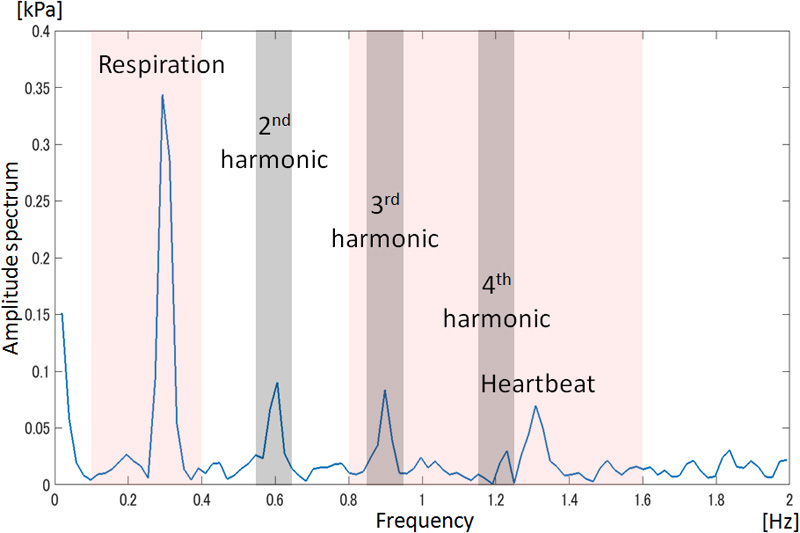
Why Modern Life Disrupts Heart Harmonics
Technology, deadlines, emotional overload, and constant stimulation train the nervous system to remain alert—even when no real danger exists. Over time, this creates:
Irregular heart rhythms
Reduced emotional resilience
Persistent mental fatigue
Difficulty relaxing or sleeping
Heart Harmonics addresses the root of this issue by working with rhythm rather than resistance. Instead of fighting stress mentally, it calms the system physiologically.
Simple Practices to Cultivate Heart Harmonics
Heart Harmonics is accessible to anyone, regardless of experience.
Gentle Rhythm Breathing
Breathe slowly and evenly
Match the length of inhales and exhales
Heart Harmonics Keep breathing relaxed and natural
Even short sessions can create noticeable shifts.
💢HEART HARMONICS – OFFICIAL WEBSITE LINK 🎯– CLICK HERE ◀◀
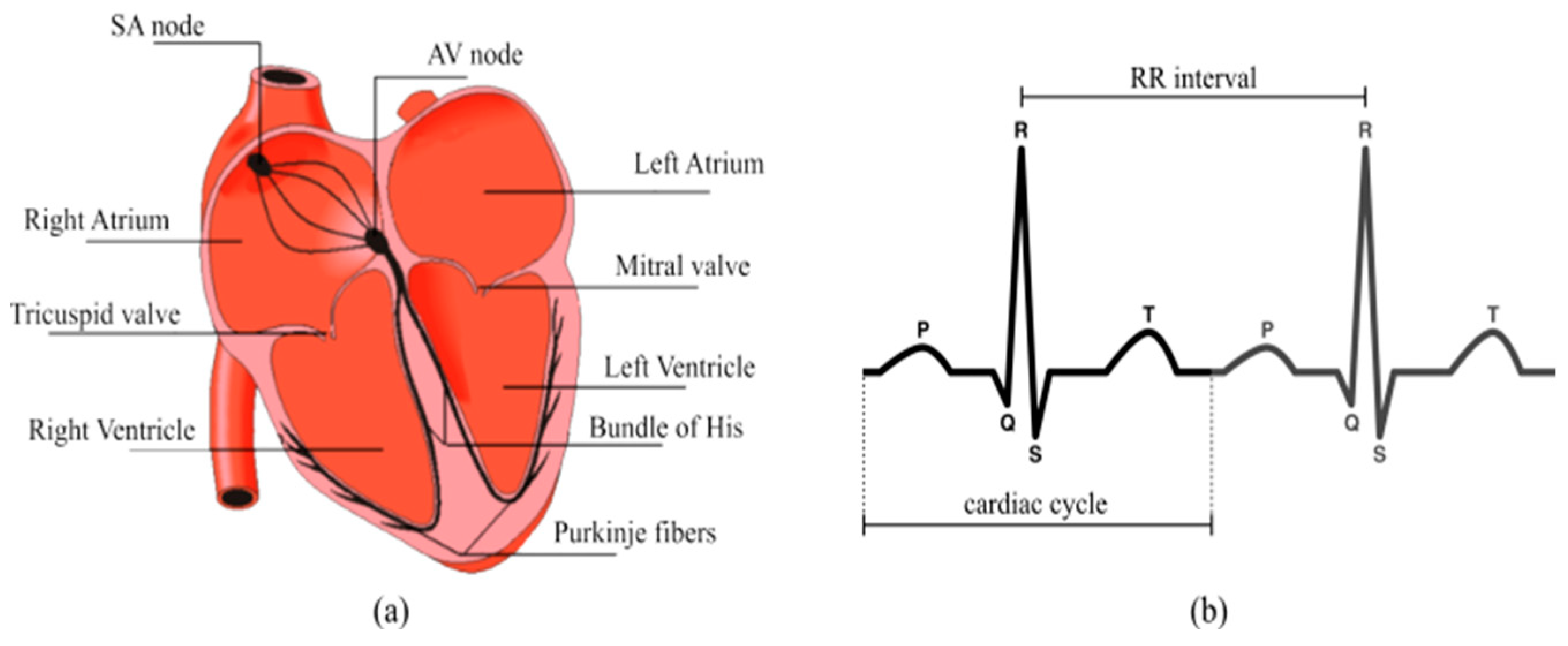
Final Thoughts
yet too powerful to ignore. names that subtle terrain where love lingers, grief speaks softly, and memory hums beneath the surface of everyday life.
Heart Harmonics the understanding and practice of restoring the heart’s natural rhythmic balance so the body, mind, and emotions can function in sync rather than in conflict.
💢HEART HARMONICS – OFFICIAL WEBSITE LINK 🎯– CLICK HERE ◀◀
When heart rhythms become coherent and harmonious, the nervous system stabilizes, emotions soften, and clarity replaces overwhelm.In contrast, prolonged stress disrupts this rhythm—leading to fatigue, emotional reactivity, and long-term imbalance. Heart Harmonics offers a practical solution rooted in the body’s own intelligence.
This is usually where people assume they’ve failed at healing. But more often, what’s happening is simpler and harder to accept: the heart isn’t asking for more effort. It’s asking for attunement.